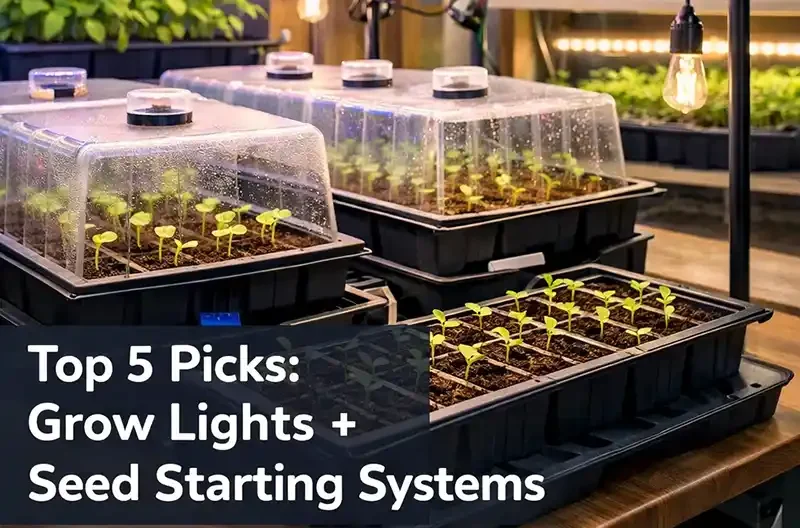
Seed Starting Top 5 Picks
Starting seeds indoors is the fastest way to get ahead of the season, but most people sabotage it with weak light and sloppy watering. A sunny window is not a grow setup, it’s a gamble. If you want compact, sturdy seedlings that actually transplant well, you need the right indoor seed starting gear: a dependable grow light for seedlings, a stable seed starting system, and a simple routine you can repeat.
This guide breaks down the top 5 indoor gardening and seed starting equipment picks, focused on two categories that matter most: LED grow lights and seed starting systems. Whether you want a no-fuss countertop system or a shelf-based setup for multiple trays, these options are designed to reduce failure points, speed germination, and keep seedlings growing thick instead of tall.
What actually matters for indoor seed starting
Most “seed starting problems” are really one of these:
1) Light intensity and distance Seedlings need close, consistent light to avoid stretching. You don’t need a massive setup, but you do need a real LED grow light (or properly placed strips) and the ability to adjust height.
2) Moisture consistency Overwatering invites fungus. Underwatering stalls germination. A good seed starting system (especially self-watering) smooths out your mistakes.
3) Temperature stability If your room runs cool, you will benefit from a heat mat, but the biggest win is still light plus watering consistency.
If you’re building this for long-term reliability, prioritize in this order: light first, tray system second, then nice-to-haves.
#1 – Burpee 72-Cell Self-Watering Seed Starting System
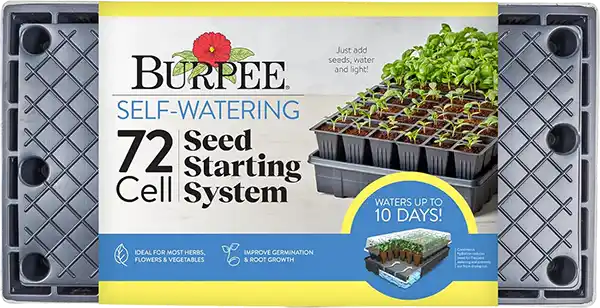
- More consistent moisture during germination
- Includes dome plus full system layout
- High cell count for serious seed-starting weekends
#2 – AeroGarden Harvest Elite 360 Indoor Garden Hydroponic System
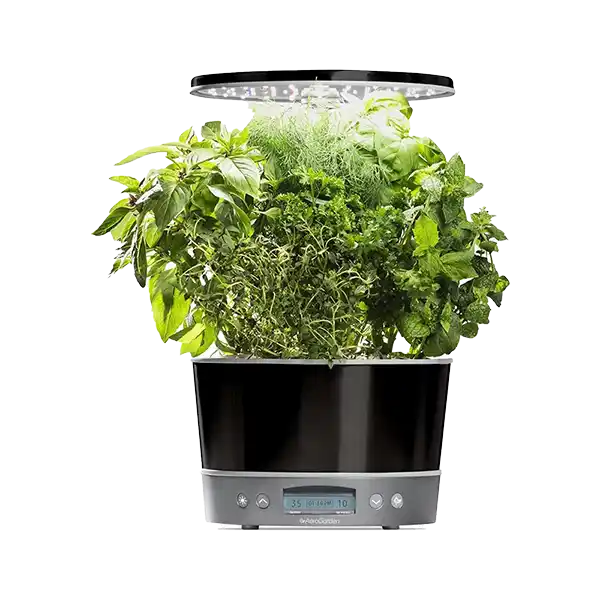
- Automated light schedule and simple controls
- Compact system that fits a kitchen counter
- Six-pod format is perfect for steady rotation
#3 – Spider Farmer SF-1000
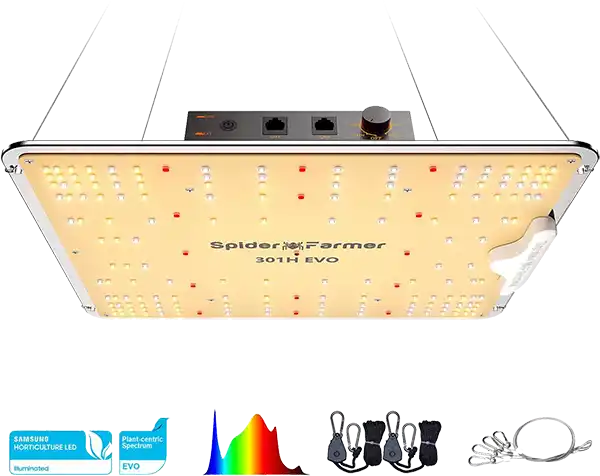
- Strong seedling performance with dimming control
- Simple footprint that fits common seed-starting racks
- Solid baseline for year-round indoor growing
#4 – VIPARSPECTRA P1000
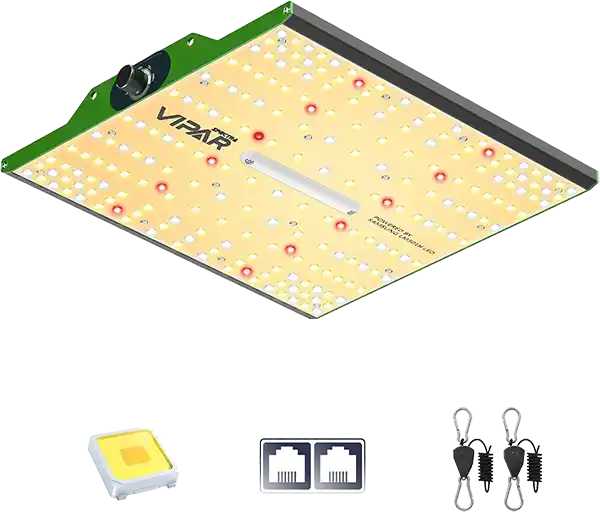
- Value-per-watt is hard to beat
- Daisy-chain friendly for racks
- Good fit for a single tray zone
#5 – Barrina T5 LED Grow Light Strips
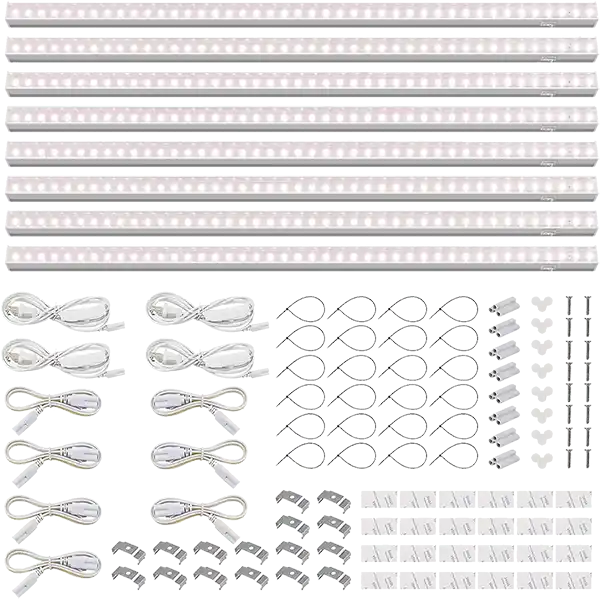
- Even light distribution across a tray
- Clean rack mounting and cable management
- Scales easily as you add shelves
How to set up your indoor seed starting station (simple and repeatable)
Here’s a setup that works for most seedlings, without obsession.
- Choose your light style
- One shelf, one tray: pick a panel (Spider Farmer or VIPARSPECTRA).
- Multiple shelves: pick strip lights (Barrina) for even coverage.
- Position the light correctly Start closer than you think. If seedlings stretch, the light is too far away or too weak. If leaves bleach or curl, back it off and reduce intensity. The goal is compact growth, not speed.
- Use a humidity dome only for germination A humidity dome seed starter is great for popping seeds, but keeping it on too long can invite disease. Once most seeds sprout, start venting, then remove the dome.
- Bottom water when possible Bottom watering reduces algae and fungus on the surface. With a seed starting tray system, you can keep moisture more consistent and avoid drowning roots.
- Harden off like you mean it Your indoor plants are soft. Before transplant, gradually expose them to outdoor sun and wind. This is where strong, well-lit seedlings pay off.
Power and backup reality check
Grow lights draw electricity. If you’re running a rack for weeks, power planning matters. If you care about resilience and self-sufficiency, it’s worth thinking through backup options and efficient power.
- If you want portable options, see Portable Solar Panels for Off-Grid Living
- If you want emergency backup, see Best Generators of 2025